
If you follow the hum of neon and the smell of ambition, you’ll eventually stumble upon the glittering capitals of casino tourism—places like Macau, Monte Carlo, and Las Vegas. These aren’t just playgrounds for the rich or sanctuaries for the bold—they are geopolitical engines, humming beneath the roulette wheels and spinning slots. Welcome to the velvet-draped world where border towns flirt with fortune and diplomacy dances with dice.
The Mirage of Money
Casino tourism is more than just a hotel stay and a handful of chips. It’s a full-scale economy, wearing lipstick and heels, whispering sweet nothings into the ears of politicians and planners. Macau, for instance, isn’t just the “Las Vegas of Asia”—it’s China’s economic pressure valve, a glittering loophole where money slips out to breathe and returns, freshly laundered in the warm winds of profit.
Las Vegas? It’s America’s poker face, smiling in the desert, built on the bones of water deals and mob handshakes. And Monte Carlo? It’s the crown jewel of Monaco—a country so small, if you blink, you’ll miss it. But its casino stretches its influence like a well-dressed tentacle, pulling in yachts, oligarchs, and diplomatic intrigue with the same suave wink.
Border Economics with a Side of Blackjack
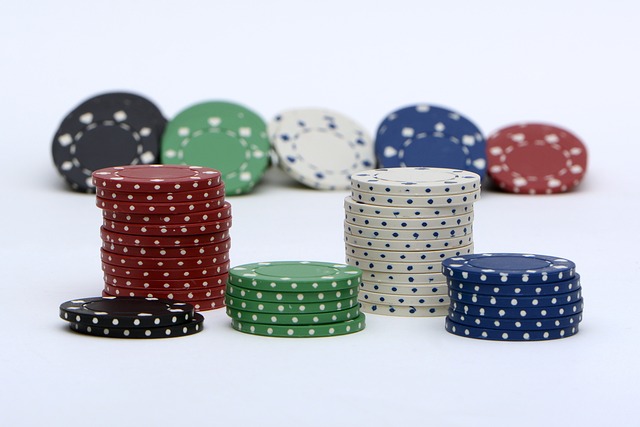
Border economies thrive on contrast: tight regulations over here, loose morals over there. It’s the wink across the checkpoint. These casino cities feed on travelers crossing invisible lines to escape, indulge, or reinvent themselves. And the states know it. Governments pour funds into casino zones not just for tourism, but as strategic economic buffers.
In these towns, gambling isn’t just allowed—it’s weaponized. Jobs bloom, taxes swell, and foreign investment slides in under the guise of luxury resorts. Casinos become embassies of another kind, hosting power-lunches in private salons and whispered deals over baccarat.
The rise of digital platforms like HellSpin mirrors this same phenomenon. Just as Macau seduces foot traffic, HellSpin invites the world through virtual velvet ropes—blurring national boundaries, expanding the gaming empire beyond geography.
HellSpin doesn’t just offer games; it exports the thrill, globalizing the very idea of risk and reward, turning living rooms into micro-Monte Carlos.
More Than Luck: The Soft Power of Spectacle

These destinations don’t just thrive on revenue—they sell a fantasy. And fantasy, when well-marketed, is a kind of soft power. When North Korean diplomats secretly slip across borders to hit a slot machine, or when billionaires casually drop ten grand in a VIP room, it’s not just about losing money—it’s about being part of the club.
Tourism boards know this. So do intelligence agencies.
Every casino tower is a statement. Every poker table, a miniature United Nations of risk. If you want to know what a country values—look at where its people go to lose.
Final Spin
Casino tourism isn’t just a footnote in travel—it’s a blueprint. It teaches us that borders aren’t just lines—they’re opportunities. That a deck of cards can hold more than aces—it can hold agendas. And that sometimes, the most powerful moves in geopolitics don’t happen in parliaments… but in penthouse poker rooms, with a chilled martini and a subtle raise.
Now place your bets. The world’s watching.
